
Passive income gets marketed like money that shows up while you do nothing. That idea sounds appealing, but it can set beginners up for frustration. In real life, “passive” usually means the work happens in a different order: you do more setup upfront, then you may earn later with less day-to-day effort.
A practical definition is this: passive income is income that can continue after the main setup is done, as long as you keep the system healthy. That system might be an investment account, a rental asset, a blog post that keeps getting traffic, or a digital product that sells repeatedly.
This guide explains what passive income really means, what “front-loaded work” looks like, beginner-friendly U.S. examples, and how to choose a path that fits your schedule and resources. Timelines vary, and that’s normal. The goal is to build steady systems—not chase shortcuts.

What Passive Income Really Means
The practical definition
Passive income is ongoing income with reduced day-to-day labor after you’ve done the main setup. You’re building an asset or system that can keep working even when you’re not actively working on it every day.
“Reduced” is the keyword. It’s not zero effort. It’s often less effort than a typical hourly job once the foundation is in place.
Passive vs. hands-off
Most “passive” methods still need upkeep. A rental may need maintenance and occasional problem-solving. A blog post may need updates when information changes. A digital product may need files refreshed, instructions clarified, or customer questions answered.
There’s also the reality of taxes, platform rules, and market changes. If you earn income from a side project, basic recordkeeping helps. If you want clarity on your specific situation, consider speaking with a tax professional.
Asset-based vs. system-based
Most beginner-friendly passive income paths fall into two categories.
Asset-based income is tied to something you own, like investments or a rental asset. System-based income is tied to something you build, like content, digital products, or affiliate guides that keep earning when people keep finding and using them.
Both can work. They just require different resources and different kinds of patience.
The Front-Loaded Work Concept

What front-loaded work looks like
Front-loaded work is the work you do before you earn much—or before you earn at all. It can include planning, learning tools, drafting content, creating a product, setting up a listing, testing the customer experience, and improving based on feedback.
This is the part many “passive income” conversations skip. But it’s often the part that determines whether the system lasts.
The delayed payoff curve
Many passive income methods have delayed payoff. You invest time now to build something that can keep helping later. More setup can improve the chance of repeatable results, but it’s not automatic and it’s not guaranteed.
A helpful mindset is to treat the early phase like building a small library. Each asset you create can support the next one, and over time, your work becomes easier to maintain.
Maintenance is still work (just usually lighter)
Maintenance can include refreshing an older article, updating broken links, improving product instructions, responding to customer questions, or checking whether your system still performs the way you expect.
This isn’t a negative. It’s how systems stay reliable. The more organized your process is, the less maintenance tends to feel like a constant chore.
Example scenario
A U.S.-based beginner commits about five hours per week for eight weeks to build one digital product and a clear listing.
In the first two weeks, they research similar products and read customer reviews to find common frustrations. In weeks three through six, they create the product, test downloads, and publish the listing with clear preview images and instructions. In weeks seven and eight, they improve based on early feedback.
The early results might be small and uneven, but they now have a real asset, real data, and a workflow they can repeat.
Passive Income Options for Beginners in the U.S.
Content-based paths
Content-based income usually means creating helpful resources that can keep getting discovered over time. In the U.S., this often looks like blog articles that answer common questions, evergreen YouTube guides, or a newsletter people subscribe to for ongoing tips.
The upside is that content can stack. Older posts can still bring readers months later. The downside is that content often starts slow and requires consistency.
If you choose this path, think like a librarian. Your job is to create clear resources that solve specific problems, then keep them updated so readers can trust them.
Digital products
Digital products are repeatable downloads like templates, printables, trackers, checklists, and simple guides. You do the work upfront, then sell the same product repeatedly.
The upside is you’re not trading time for money in the same way. The downside is that your product has to be genuinely useful, your listing must be clear, and you may need to support customers and update files.
A beginner-friendly approach is to start small: one product that solves one problem for one specific audience. Clarity usually performs better than huge bundles.
Affiliate marketing
Affiliate marketing can work when it’s built on trust. You create helpful content, recommend tools that fit the reader’s situation, disclose affiliate relationships clearly, and keep your content updated.
The upside is you don’t need to create your own product. The downside is that it can be competitive, and it often takes time to build enough content and visibility to earn consistently.
A healthier approach is balanced recommendations. Share pros and cons, explain who something is for and who should skip it, and avoid turning your site into a wall of links.
Investing-based income
Investing is often the closest thing to “hands-off,” but it usually requires money, patience, and comfort with market ups and downs. Many U.S. beginners start by learning broad diversification, employer retirement plans, and long-term investing basics.
This is general education, not personal advice. If you want guidance for your personal situation, consider speaking with a qualified professional.
Rental and asset-based income
Rentals can be “passive-ish,” but rarely hands-off. Renting property, a room, or equipment can bring income, but it also brings maintenance, scheduling, risk, and downtime.
If you’re considering rentals, it helps to think of it as running a small operation. Plan for repairs, insurance needs, and the time required to manage the asset.
How to Choose the Right Path
Start with your real resources
Your best path depends on your resources: time, budget, skills, comfort with tech, and risk tolerance. Content and digital products often require time more than money. Investing often requires money more than time. Rentals often require both.
Choosing a method that doesn’t match your current resources is one of the fastest ways to stall.
Match your personality
Personality fit matters because passive income is built through repetition.
If you enjoy writing or teaching, content and affiliate guides may fit. If you like organizing systems, templates and trackers may feel natural. If you prefer a more hands-off approach and can handle volatility, investing may be a better fit.
Pick one lane for 60–90 days
Beginners often try multiple methods at once and end up making progress in none. A smarter approach is one lane for 60–90 days.
This doesn’t lock you in forever. It simply gives you enough time to learn what’s working and where your process needs improvement.
Define success with milestones you control
Instead of making success only about money, set milestones you can control.
For example, publish four posts, list one product, build a simple email signup, or update two older posts. These milestones create momentum and help you see progress even when early earnings are small or inconsistent.
A Beginner Roadmap for the First 30 Days
Week 1: choose one method and define your audience
Start by defining who you help and what problem you solve. “Everyone” is too broad. “Beginners who want a simple weekly budget system” is clearer.
Once your audience is clear, your next step becomes easier and your content or product is less likely to feel generic.
Week 2: create one core asset
A core asset is one piece that delivers real value. It could be one how-to guide, one digital product, one comparison page, or one beginner resource.
Keep it small enough to finish. A finished core asset teaches you more than a big plan that stays unfinished.
Week 3: publish and make it easy to navigate
Publishing isn’t just posting something and hoping. Make your site or listing easy to use. Add internal links, clear categories, and simple next steps like “subscribe for updates” or “download the template.”
Clarity helps readers find related resources, which can improve trust and engagement over time.
Week 4: improve based on feedback and data
This is where momentum builds. Tighten unclear sections, add a realistic example, improve titles, and strengthen trust signals like clear author info and honest pros and cons.
If you mention taxes or financial decisions, keep it general and consider speaking with a tax professional for specifics.
What to Expect Over 3–6 Months
Early phase: learning and building assets
In the early months, output often matters more than earnings. You’re learning your workflow, improving clarity, and building assets that can keep working later.
For many beginners, the biggest win is consistency: showing up weekly, publishing or improving something, and building a small library of useful resources.
Middle phase: compounding can start to show up
Over time, content and products can support each other. A new post can link to an older post. A popular guide can lead readers to a template. A clear comparison page can help a reader decide and return later.
That “stacking” effect is why passive income can feel slow early on, then steadier later—if you keep building and updating.
What to track besides money
Track signals that show traction, especially early on: search impressions, traffic, email signups, saves, repeat visitors, and conversions (like downloads or clicks).
These signals help you decide what to improve and what to create next.
Why updates matter
Updates protect trust and performance. A refreshed article is often more helpful than a brand-new one, especially if it already has some visibility.
A simple update routine helps your system stay reliable without turning into daily work.
Common Beginner Mistakes and What to Do Instead
Expecting “no work”
Replace the “no work” expectation with a realistic plan: front-loaded work plus light maintenance. When you expect upkeep, it feels normal instead of discouraging.
Choosing methods that don’t fit your life
If you only have a few hours per week, choose a method that works in small blocks. If your schedule is unpredictable, choose a method with flexible timing.
The best plan is the one you can maintain with your real schedule—not your ideal schedule.
Building without a clear audience
When your content or product is for everyone, it often feels generic and doesn’t connect. Choose one audience and write directly to them in U.S. terms and realistic situations.
Clarity builds trust. Trust helps people come back.
Quitting too early
Passive income often starts slow. If you quit before you’ve built enough assets, you won’t reach the phase where compounding has a chance to show up.
Use milestones you control so you can see progress even when revenue is still small.
Skipping trust basics
Trust basics include clear author information, honest pros and cons, clear disclosures where needed, and updates when information changes.
These details may feel small, but they often determine whether a beginner site or product feels credible.
How to Keep It “Passive-ish” Over Time
Build checklists and templates
Checklists reduce decision fatigue. Create a publishing checklist, an update checklist, and a simple template for customer messages if you sell products.
When you don’t have to rethink the same steps every time, maintenance becomes easier.
Batch work to reduce daily effort
Batching means grouping similar tasks. You might draft two posts in one sitting and edit later. You might check links once a month instead of one-by-one every week.
Batching helps your system feel more manageable over time.
Use simple tracking
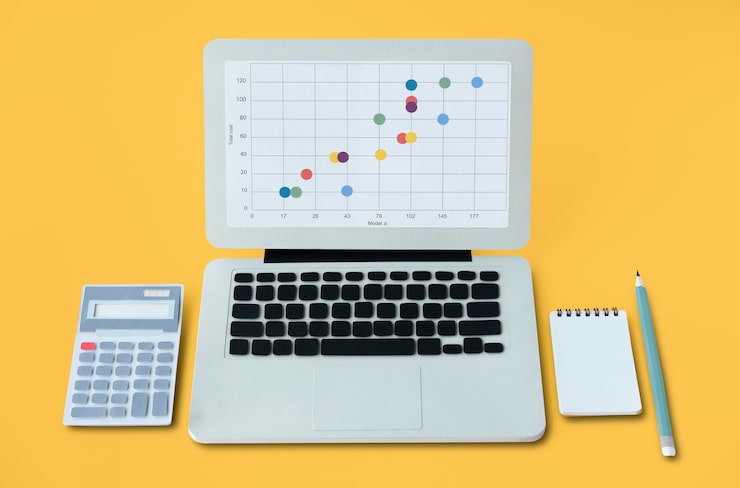
You don’t need complicated analytics to start. Track what content performs, what gets clicks, what pages people spend time on, and what needs updates.
Tracking isn’t about obsessing. It’s about using reality to guide your next step.
Reinvest strategically
As your system grows, reinvest where it saves time or improves quality. That might mean better templates, improved tools, or occasional outsourcing for tasks you don’t enjoy.
If you outsource, keep your voice and standards consistent so the reader experience stays trustworthy.
Quick checklist
Choose one passive income lane that fits your real resources—time, budget, and patience. If you can only commit a few hours per week, pick a method that works in small blocks, like one article per week or one simple template.
Create one core asset in the next 30 days. A finished guide, product, or comparison page teaches you more than an ambitious plan that stays unfinished.
Make your work easy to navigate and easy to trust. Use clear categories, internal links, honest pros and cons, and clear disclosures where needed. If taxes come up, keep it general and consider speaking with a tax professional for your situation.
Pick a light maintenance habit so your system stays “passive-ish.” A monthly maintenance day—updating older posts, checking links, improving instructions—can protect what you’ve already built.
FAQ
What is passive income for beginners, realistically?
Passive income for beginners is usually income that can continue after upfront setup work. It often involves building an asset or system—like content, a digital product, or an investing plan—and then maintaining it with occasional updates.
How much work does passive income take upfront?
It depends on the method. Content, affiliate guides, and digital products typically require front-loaded work to create and publish assets. Investing may require less day-to-day work, but usually requires money and patience. Most methods still involve maintenance over time.
What are practical passive income options in the U.S. with little money?
Many U.S. beginners start with content, simple digital templates, printables, or trust-first affiliate guides because they can be started with time and effort more than upfront cash. The best option is the one you can sustain consistently for 60–90 days.
How long does it take to see results?
Timelines vary. Many beginners spend the first months building assets and learning what works. Early progress often shows up as traffic, impressions, clicks, or customer interest before it shows up as meaningful income.
What’s the difference between passive income and side hustles?
Side hustles often pay more directly for time worked, like delivering a service or doing a job. Passive income is usually built through upfront work that can keep earning later, though it still needs maintenance. Many people combine both: a side hustle for near-term cash flow and a passive plan for long-term growth.
Do I need a website to build passive income?
Not always. Some methods work without a website, like investing through retirement accounts or selling on marketplaces. A website can help if you’re building content-based income, affiliate guides, or a brand you want to control long-term.

How do I avoid passive income scams and unrealistic promises?
Be cautious of anything that promises fast results with little effort, uses urgency pressure, or requires large upfront fees without clear value. Stick to methods where you understand the work involved and can explain how money is earned.
What should I track to know if my plan is working?
Track signs of traction beyond money, especially early on. Look at impressions, traffic, email signups, saves, repeat visitors, and conversions (downloads, clicks, purchases). These signals help you improve the system and decide what to build next.
Conclusion
Passive income is best approached as a “work first, earn later” system. The advantage isn’t that you do nothing. It’s that your effort can become more repeatable over time when you build assets that keep working.
Start small, choose one lane for 60–90 days, and focus on steady output with light maintenance. When you build trust, keep your systems simple, and improve based on feedback, passive income becomes less of a buzzword and more of a practical long-term plan.