Renting out what you already own is one of the most straightforward ways to earn extra income because you’re starting with an asset you already have. That could be a pressure washer you use twice a year, an extra parking spot that sits empty most of the week, or a corner of a garage that’s clean and secure. Instead of buying inventory or learning a brand-new skill, you’re simply making better use of something underused.
At the same time, this isn’t fully hands-off. You’ll need a basic process for screening renters, setting rules, protecting yourself with clear documentation, and thinking through safety and insurance. The goal is not to rent everything to everyone. The goal is to rent one thing well, with a calm system you can repeat.
In this guide, you’ll learn what usually works best to rent out in the U.S., how to check permissions before you start, beginner-friendly insurance and liability basics, how to set fair prices, and a simple starter plan that keeps the process organized.
What You Can Rent Out in the U.S. (and What Usually Works Best)
Tools and equipment
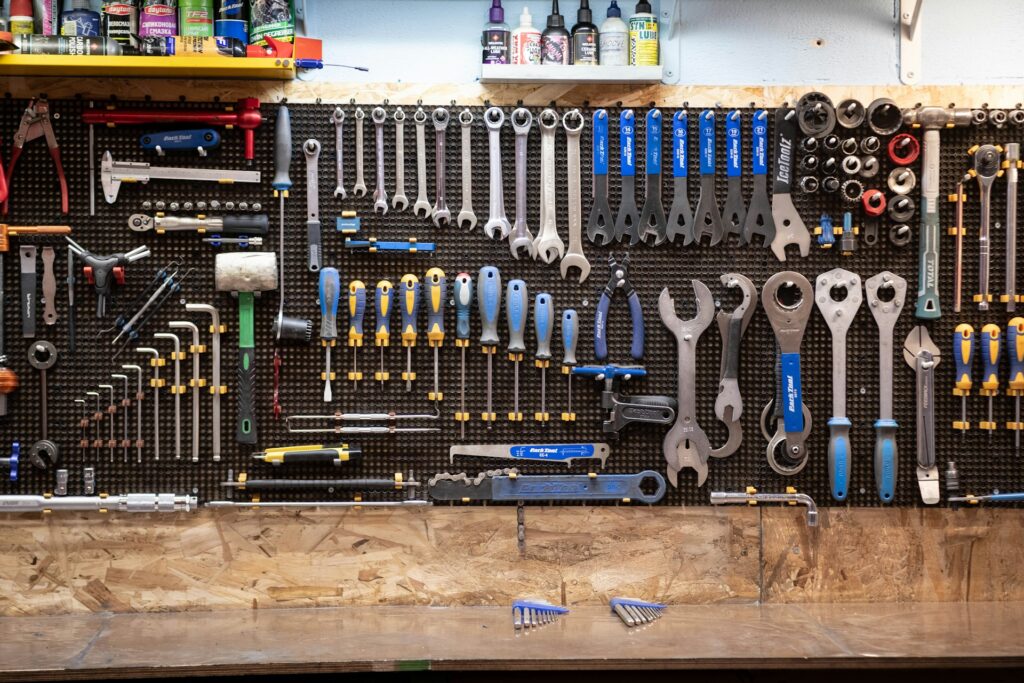
Tools are often a strong “rent out items for money” option because many people need a tool for one weekend project and don’t want to buy it. Items like ladders, pressure washers, carpet cleaners, drain snakes, tile saws, and specialty power tools can attract renters who just want to complete a specific task and move on.
The upside is that demand can be steady in many areas, especially during spring and summer. The downside is wear and tear. Tools also require basic upkeep, and you’ll need a clear process for confirming that the item comes back in good working condition.
If you start with tools, begin with one or two items that are durable, easy to demonstrate, and not overly fragile. Your first rentals should feel simple to hand off and simple to check when they come back.
Parking spots
If you have a driveway space, extra garage space, or a reserved spot you don’t fully use, renting it out can be surprisingly practical. In higher-demand areas, people pay for convenience: a closer walk to home, predictable parking, or avoiding street-parking stress.
The upside is that parking can be less “hands-on” than items like tools because there’s no equipment to inspect. The downside is that parking involves rules and local realities. You may need to think about towing policies, access hours, permits, and whether the spot is actually allowed to be rented under your lease, HOA, or condo bylaws.
Parking can be a good fit when you want less handling and you can set clear boundaries that are easy to enforce.
Storage space
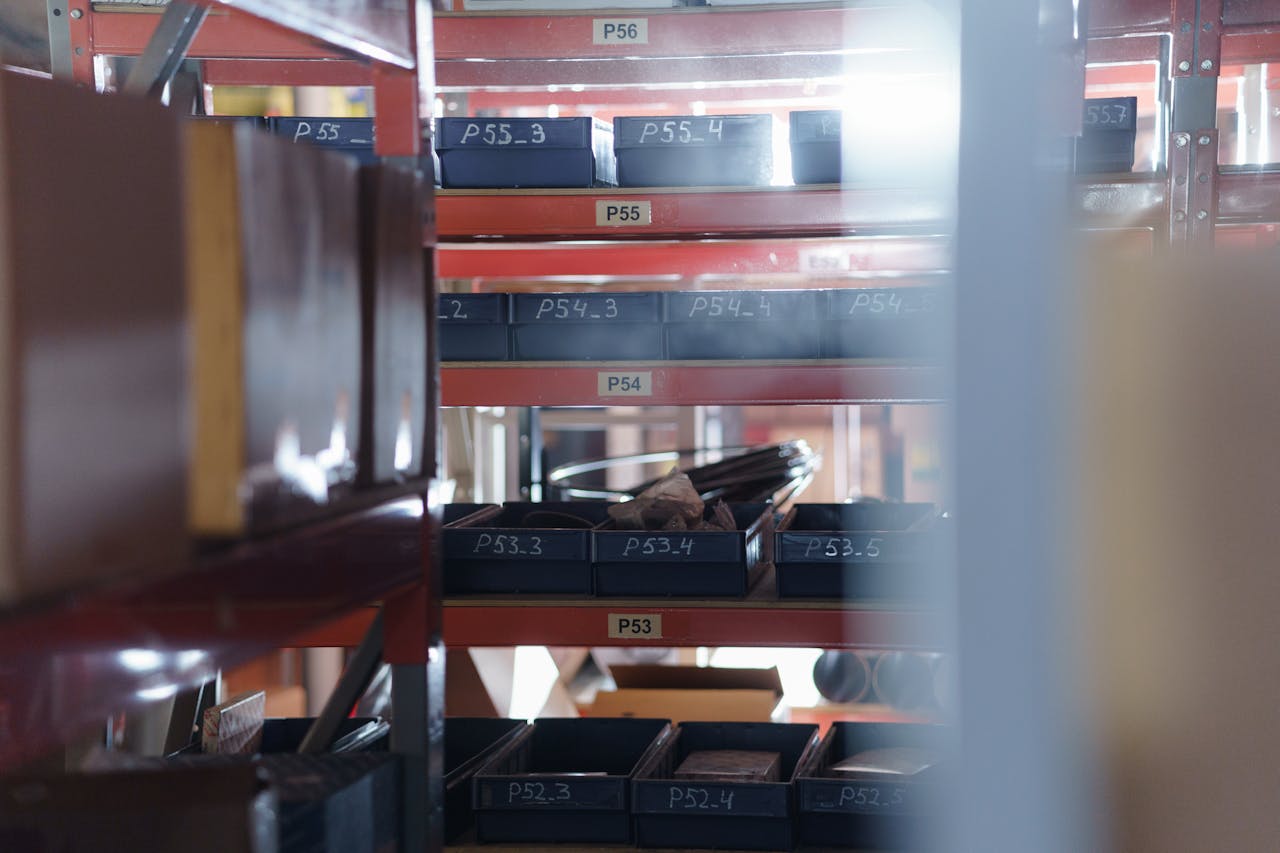
Storage can work well when you have clean, dry space you can define clearly—like a garage corner, a shed, or a basement area that stays secure and doesn’t get damp. People often need storage for seasonal items, moving transitions, or small business inventory that doesn’t require climate control.
The upside is that storage rentals can be more stable if you set monthly minimums. The downside is that storage can create bigger headaches if you don’t set strict rules on what is allowed. You should be very clear about prohibited items and access expectations, and you’ll want a simple written agreement so there’s no confusion later.
If you try storage, your best early win is clarity: clear dimensions, clear rules, and clear access boundaries.
Other “already owned” items
Some people also rent out cameras, party supplies, camping gear, baby gear, folding tables and chairs, and other occasional-use items. These can work if the items are easy to clean, easy to verify on return, and you can afford to repair or replace them if something goes wrong.
For anything used by babies or children, take extra care. Cleanliness and safety expectations are higher, and you don’t want to rent anything that could create safety or liability issues.
What to avoid early
Avoid high-liability items, fragile items, and anything you can’t afford to replace. If a loss or damage would create a financial hit you can’t absorb, don’t rent it out at the beginning.
Also avoid items that require complex instruction or specialized safety knowledge. A beginner-friendly rental is something the renter can use safely with basic guidance, and that you can evaluate quickly when it’s returned.
Practical Rules Before You Start (Permissions + Local Reality Check)
Check “who controls the space”
Before you list anything, figure out who has authority over the space you’re renting. If you rent your home, check your lease. If you own in a condo or HOA community, review the bylaws and rules. If you’re in a multi-family or shared property, understand how shared driveways and common areas are regulated.
This step can feel annoying, but it protects you. The fastest way to turn a simple side income idea into stress is to rent something out that your building or community rules prohibit.
If the rules are unclear, ask. A quick email to your property manager or HOA can save you weeks of back-and-forth later.
Parking spot and storage-specific considerations
Parking and storage are not just “space.” They involve access and shared boundaries. For parking, confirm whether the spot is assigned to you personally, whether it can be subleased, and whether the renter needs a permit, hangtag, or gate code.
Also consider towing rules and access hours. If your community enforces parking aggressively, your renter needs to understand the rules clearly so they don’t end up towed.
For storage, decide how often access is allowed and how access happens. If someone needs daily access, that’s a different situation than monthly access. The more frequent the access, the more “management” the rental becomes.
Tool rentals: when it becomes a business-like setup
Tool rentals can start casually, but frequent rentals make it more like a small operation. You’ll be cleaning items, checking parts, replacing accessories, and managing pickup and return windows.
That’s not a reason to avoid it. It’s just a reason to keep your first setup simple. If you can’t realistically handle frequent handoffs, choose a category with less turnover or set minimum rental periods that reduce the number of meetups.
Keep it simple: start with one category and one channel
A common beginner mistake is trying to rent tools, parking, and storage at the same time. You end up with too many rules, too many messages, and too much confusion.
Start with one category and one platform or channel. Learn what questions renters ask, where problems show up, and what rules you need to tighten. Once your process feels smooth, then expand.
Example scenario
A renter in a condo wants to rent out a parking spot. Instead of listing immediately, they confirm the HOA rules first, check whether the spot can be subleased, and review whether the renter needs a parking permit.
They also set clear access guidelines. The listing states the allowed hours, how the renter enters, and what happens if the rules are broken. That clarity prevents the most common disputes before they happen.
Insurance and Liability Basics (Beginner-Friendly)
Why insurance matters
Insurance and liability are the boring parts that matter. When you rent out items or space, the risks aren’t just “someone damages my thing.” Risks can include theft, property damage, and injuries. In the wrong situation, a small side income idea can create an expensive problem.
The goal isn’t to become fearful. The goal is to be realistic and reduce avoidable risk through clear rules, documentation, and smart boundaries.
Start by reviewing what coverage you already have
Many people start with homeowners or renters insurance and assume it covers everything. In reality, coverage can vary widely depending on the policy, the situation, and whether the activity is considered “business-like.”
Instead of guessing, review your policy basics and consider calling your insurer to ask general questions. You can describe what you want to do in plain terms and ask what is or isn’t covered.
This isn’t about getting into legal language. It’s about avoiding surprises.
Platform protections vs. personal insurance
Some rental platforms advertise protection programs, guarantees, or coverage. These can be helpful, but they often have limits, exclusions, and required steps. They may require specific documentation, certain time windows for reporting, or may not cover every type of damage.
Treat platform protection as a layer, not a replacement. Read the terms, understand what documentation is required, and keep your own process tight so you’re not relying on “maybe” coverage.
When to call your insurer
If you plan to rent frequently, rent higher-value items, or rent out space (parking or storage) regularly, it’s smart to talk to your insurer early. Frequent activity can start to resemble a small business, and you want to understand how that affects your coverage.
If you’re unsure how to ask, keep it simple: explain what you plan to rent, how often, and whether people will visit your property. Ask what kind of coverage questions you should consider.
Risk-reduction habits that help
Risk reduction starts with rules and documentation. Take condition photos before and after. Write down what’s included and what’s not. State what “acceptable return condition” means. Keep communication in writing, preferably on-platform if you’re using a platform.
For items, consider whether deposits are permitted by the platform and your local rules. If deposits aren’t allowed, set clear replacement fees and damage rules within the platform’s allowed structure.
For space rentals, a simple agreement can go a long way. It doesn’t need to be complicated. It needs to be clear.
Safety First: Screening, Hand-Offs, and Boundaries

Screening basics (without overcomplicating)
You don’t need to run a background check to be safe, but you do need basic screening. Favor renters with complete profiles, clear communication, and positive reviews if you’re using a platform that supports them.
If something feels vague—like “I need it for something, not sure when I can return”—that’s a sign to ask follow-up questions or politely decline. Good renters typically understand the rules and can confirm a pickup and return time easily.
It’s also reasonable to prefer local renters for tools. Long-distance rentals can increase no-shows, late returns, and confusion.
Safe pickup and return process
For items, choose a safe handoff process. If possible, do meetups in daylight and in a public spot. If you must meet at home, keep the exchange outside. Avoid home entry and avoid situations where a renter is inside your space.
Keep handoffs short and consistent. A calm, repeatable process reduces mistakes.
For tools, a quick demo can prevent misuse. You don’t need to train someone for ten minutes. You just want to confirm they understand basic operation and safety.
Storage safety
Storage requires strict rules. You want to prohibit hazardous materials, chemicals, flammables, firearms, illegal items, and perishables. You also want to prohibit food because it can attract pests and create property damage.
Be very clear about what you will not accept. If someone asks for an exception, it’s usually safer to say no.
Parking safety
For parking, clarity is safety. Provide clear instructions: where to park, how to access, and whether the renter needs to display a permit. If your community is strict, include simple warnings in the description so there are no surprises.
Avoid handing over keys unless absolutely necessary. If a key is required, treat it as a higher-risk arrangement and consider whether the rental is worth that tradeoff.
Also decide what happens if rules are broken. If your building has towing enforcement, make that reality clear in a calm way.
Set boundaries early
Boundaries protect your time. Set your availability for pickup and returns. Define late fees if allowed and clearly stated. Decide how you want renters to communicate (on-platform, text only, etc.), and keep it consistent.
The more consistent your boundaries are, the fewer edge-case problems you’ll have.
Example scenario
A tool owner rents out a pressure washer. They do a quick three-minute demo, take photos of the machine and accessories, and confirm that the renter’s ID matches their platform profile.
They also set a clear return window and a late policy that’s written in the listing. That one step prevents the most common pressure-washer problem: “I’ll bring it back sometime tonight,” which often turns into “tomorrow afternoon.”
Pricing: How to Set Rates That Are Fair (and Worth Your Time)

Price for wear-and-tear, not just “what others charge.”
Pricing isn’t only about matching the market. Tools wear out. Accessories break. You’ll spend time cleaning and checking items. You may drive to meetups or handle messages.
A fair price accounts for your time and the item’s future costs. If you price too low, you attract renters who don’t respect the item and you end up feeling resentful. If you price too high, you may get fewer bookings. The goal is a price that makes you feel it’s worth doing.
Compare local market rates (simple method)
A simple method is to check similar listings in your area and compare condition, included accessories, and rules. If your item is newer, includes helpful add-ons, and your listing is clear, you can often price slightly above the cheapest options.
If your item is older or missing accessories, price accordingly. You’re not trying to win on price. You’re trying to win on reliability and clarity.
Deposits and fees (when appropriate)
Some platforms allow deposits, cleaning fees, late fees, or replacement fees. Some do not. If fees are permitted, they must be clearly stated upfront.
Fees should feel like boundaries, not punishment. A late fee exists because late returns create real problems for you. A cleaning fee exists because returning a tool caked in mud creates real work.
If you use fees, keep them simple and enforce them consistently.
Minimum rental periods
Minimum rental periods can save you from constant meetups and tiny payouts. For tools, common minimums are half-day, full-day, or weekend. For parking, daily can work, but weekly or monthly often reduces headaches. For storage, monthly minimums typically lead to fewer disputes and fewer “access every day” problems.
Minimums are also a subtle filter. People who want a tool for ten minutes often aren’t the renters you want.
When to raise or lower price
If you get lots of inquiries but few bookings, your listing might be unclear or your price might be high for your local market. If you get steady bookings and good reviews, that’s a sign you may be able to raise your price slightly—especially if demand is strong.
Small price adjustments can be more effective than big swings. The goal is to find a stable range, not a perfect number.
Create Listings That Reduce Problems (Clear Photos + Clear Rules)
Photos that protect you
Photos aren’t just marketing. They’re protection. Take multiple angles, show included accessories, and capture existing scratches or wear. For some items, photographing a serial number can help you confirm identity later, but be mindful of what information you publish publicly.
For storage, show the space clean, dry, and clearly defined. Include a measuring guide or clear dimensions. For parking, show the spot and the entry path in a way that helps renters understand where they’re going without exposing sensitive details.
Description checklist (tools)
A good tool listing includes the model, what’s included, what the tool is best for, and what it’s not for. It also includes basic safety notes, like “use eye protection” or “read the included instructions,” without turning the listing into a lecture.
Be clear about what the renter must bring. If a tool needs a specific battery type, say so. If it needs fuel, say whether you provide it or not.
Clarity prevents conflict.
Description checklist (parking/storage)
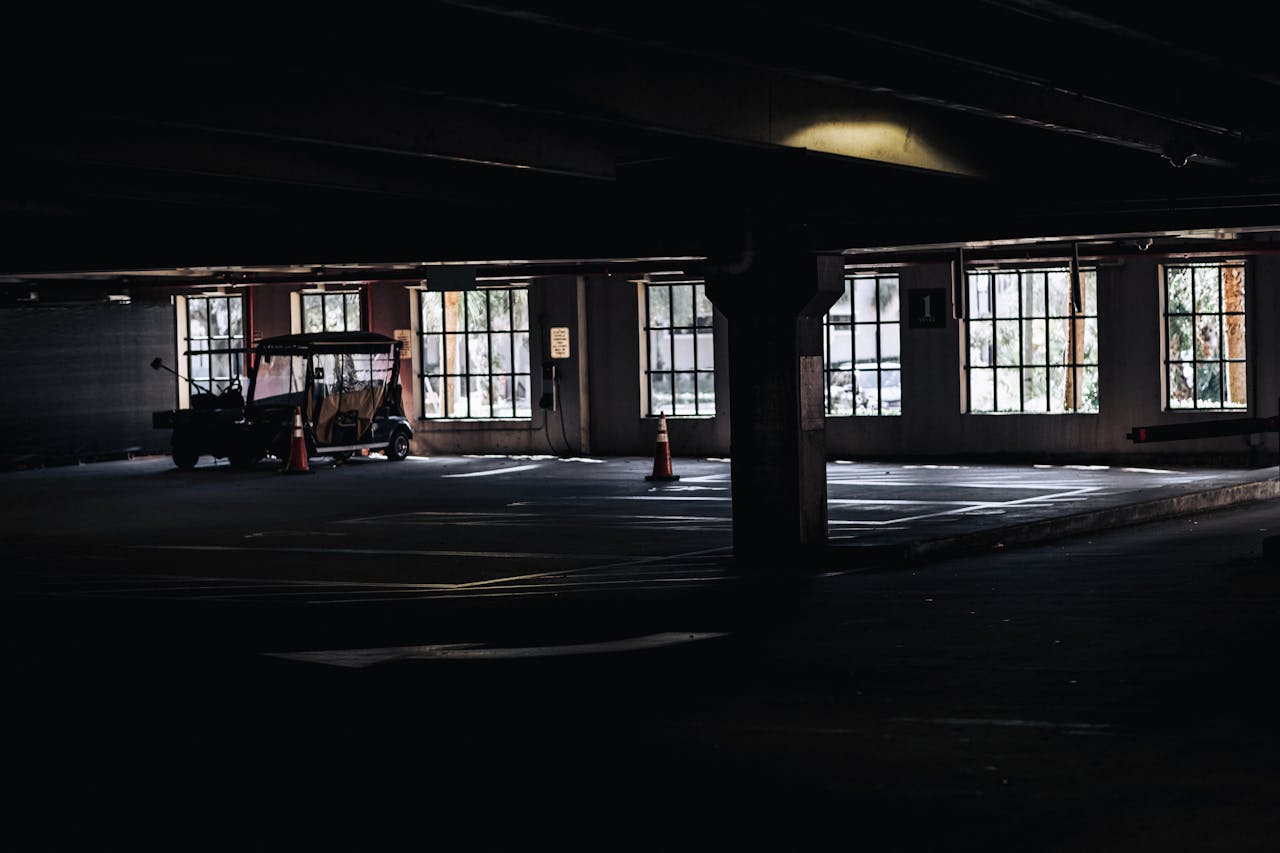
For parking, include the exact spot type (driveway, garage, reserved), access hours, whether overnight is allowed, and whether a permit is required. Include simple notes about towing enforcement if it exists.
For storage, include the exact dimensions, access expectations, and the “no” list: no chemicals, no flammables, no food, no illegal items, no perishables. The more straightforward your prohibited list is, the safer your storage rental will be.
House rules that prevent disputes
Rules should answer common disputes before they happen. For tools, state return condition expectations. If you expect the tool to be wiped down, say so. If a battery must be returned charged, say so. If fuel is required, clarify who pays for it.
For space rentals, state whether renters can access the space whenever they want or only by appointment. Also state what happens if they miss a scheduled access time.
Rules reduce emotional conflict. They turn “I feel disrespected” into “we agreed to this in writing.”
Communication template
A simple message template keeps things professional and consistent. You can say something like: “Thanks for your request. Please confirm pickup time, expected return time, and that you’ve read the rules in the listing. Once confirmed, I’ll send the exact pickup details.”
This sounds calm, but it filters out renters who don’t read rules or can’t commit to a clear schedule.
Example scenario
A storage listing clearly states: no chemicals, no food, no flammables, and no illegal items. It includes photos of the clean, dry space and a simple measuring guide, so renters can self-select whether it fits their needs.
Because expectations are set upfront, the owner gets fewer confusing messages and fewer “can I store this weird thing?” requests.
Operations: Maintenance, Tracking, and Taxes (Keep It Light)
Simple tracking system
A simple spreadsheet can keep you organized. Track the date, renter name (or username), item or space rented, payout, and notes about condition or issues. This helps you see what’s working and makes it easier to track maintenance and income over time.
Tracking also protects you if you ever need to reference a past rental. When did they rent it? When did it come back? What condition was it in? Your notes matter.
Maintenance schedule
Tools require maintenance. Wipe down equipment after returns, check batteries, replace worn accessories, and test the tool briefly before the next rental. A small maintenance routine prevents bigger problems, like a renter showing up and the tool not working.
For parking and storage, maintenance is often about keeping the space clean, clearly marked, and secure. If renters need a code or key, keep that process consistent and avoid casual exceptions.
Receipts and documentation
Keep purchase receipts and repair receipts for items you rent. If you replace parts or buy supplies specifically for rental operations, keep those receipts too. It helps you understand whether the rental is actually worth it after costs.
It also makes your recordkeeping cleaner if you’re reporting income.
Basic U.S. tax awareness (general, not advice)
In the U.S., income is generally reportable, including income from renting out items or space. You may also have expenses related to the activity, such as supplies, repairs, or mileage for meetups, depending on your situation.
This isn’t tax advice, and details vary. If you’re earning consistently or you’re unsure how to track this properly, consider speaking with a tax professional so you can set up a simple recordkeeping approach early.

Common Mistakes (and How to Avoid Them)
Renting without clear permission (lease/HOA rules)
If your building rules prohibit subleasing a parking spot or renting storage, you can create conflicts with your landlord or HOA. Confirm permission first. It’s the easiest “prevent future headaches” step you can take.
Skipping photos and condition notes
Condition photos before and after rentals reduce disputes. Without them, damage becomes “your word against theirs.” With them, you can keep the conversation factual and calm.
Underpricing and attracting risky renters
Underpricing can attract renters who don’t respect the item or the rules. Price in a way that feels fair and worth your time. Clear rules plus reasonable pricing often leads to better renters.
Accepting vague requests or off-platform payments
Vague requests often turn into late returns, confusion, and stress. Require clear pickup and return times.
Also be cautious with off-platform payments or side deals that remove the protections and documentation that platforms provide. Even if it seems convenient, it can increase risk and reduce your ability to resolve disputes.
Renting high-liability items without understanding risks
Some items carry higher injury or damage risk. If you’re unsure whether something is high-liability, treat it as higher risk until you’ve researched it and, if needed, discussed insurance implications with your insurer.
No written rules or no process for late returns/damage
If you don’t have written rules, you end up negotiating in the moment. That’s stressful and inconsistent.
A simple process—clear rules, photos, and a written return window—prevents most problems from becoming personal conflicts.
Quick checklist
Start with one rental category and one channel. Choose the simplest asset you can rent confidently, whether that’s one tool, one parking spot, or one clearly defined storage area. Keeping your start narrow makes the process easier to control.
Confirm permissions before listing. Review your lease, HOA rules, or condo bylaws so you don’t create problems with the people who control the property. If the rules are unclear, ask for clarification in writing.
Set a basic protection routine. Take before-and-after photos, keep communication written, and write clear rules for return condition, timing, and prohibited uses. Your rules should reduce confusion, not create tension.
Price for the real cost of renting. Factor in wear and tear, cleaning, maintenance, and your time for meetups. If the price doesn’t feel worth it to you, it won’t be sustainable.
Track rentals and keep simple records. Use a spreadsheet for dates, payouts, condition notes, and receipts. For taxes, keep guidance general and consider speaking with a tax professional if you need help setting up a clean system.
FAQ
What are the best items to rent out for money as a beginner in the U.S.?
Beginner-friendly items are usually durable, easy to demonstrate, and in occasional demand—like ladders, pressure washers, carpet cleaners, or specialty tools. The best first item is one you can inspect quickly on return and can afford to repair or replace if something goes wrong.
Can I rent out a parking spot if I live in an apartment or condo?
Sometimes, but it depends on your lease, HOA, or condo rules. Many buildings restrict subleasing or have permit and towing rules. Confirm permission first, then set clear access and enforcement expectations so renters understand how to park without problems.
Does homeowners or renters insurance cover renting out items or storage space?
Coverage varies by policy and situation. Some policies may not cover certain business-like activity or may have restrictions. A practical first step is to review your policy and consider calling your insurer to ask general questions about how rentals are handled.
What’s the safest way to handle pickup and returns?
Keep exchanges simple and consistent. Use daylight handoffs when possible, meet in public for items if it makes sense, and avoid home entry. Confirm pickup and return windows in writing, and take condition photos before and after.
How do I price tool rentals so it’s worth the wear and tear?
Start by comparing similar local listings, then factor in maintenance, cleaning, replacement parts, and your time. Minimum rental periods can help. If you’re constantly meeting people for small payouts, you may need higher pricing or longer minimums.
What rules should I set for renting out storage space?
Be clear about what’s allowed and what’s prohibited. Many owners prohibit chemicals, flammables, food, perishables, and illegal items. Also define access expectations, whether the renter can visit anytime or only by appointment, and what happens if they miss a scheduled access time.
Should I accept cash or off-platform payments?
It can be riskier because you lose the platform’s recordkeeping, messaging trail, and any protection program it offers. If you do accept alternate payments, keep it transparent and documented, and avoid arrangements that feel unclear or rushed.
Do I have to report rental income on my taxes in the U.S.?
In general, income is reportable, including income from renting out items or space. You may also have related expenses to track. Rules depend on your situation, so consider speaking with a tax professional if you want help setting up simple records and understanding what applies to you.
Conclusion
Renting out what you already own can be a practical “passive-ish” income idea for U.S. beginners because you’re starting with assets you already have. The key is to treat it like a small system: confirm permissions, set clear rules, prioritize safety, and document condition and timing.
Start with one category, make your process repeatable, and don’t rush into high-risk rentals. When your rules are clear and your boundaries are consistent, you’ll spend less time dealing with problems and more time running a calm, organized side income stream.