

Reselling can be a beginner-friendly way to earn extra money because you can start small, learn quickly, and improve with practice. The basic idea is simple: you buy items at a low price and resell them online for more.
What makes reselling work long-term isn’t luck. It’s a repeatable system: buying the right kinds of items, pricing with real costs in mind, listing honestly, shipping reliably, and handling issues calmly when they come up. This guide walks you through the full thrift-to-online process so you can start without getting overwhelmed.
Reselling Basics: How the Money Is Made
The simple formula
Reselling works when your selling price is higher than your total costs. Total cost includes more than the thrift-store price tag.
A practical way to think about it is: your purchase cost + platform fees + shipping + supplies + your time should still leave room for profit. If the margin is too tight, the item might sell—but it won’t be worth the effort.
Why the sale price isn’t your profit
A common beginner mistake is seeing a similar item listed for a certain price and assuming that’s what you’ll keep. In reality, platforms take fees, shipping can eat a large portion of the sale, and supplies like tape, labels, and mailers add up over time.
Returns also happen. Even when you do everything right, you’ll want some buffer so one problem sale doesn’t erase your progress.
What beginners should focus on first
Early on, choose items that are easy to find, easy to photograph, easy to store, and easy to ship. Small, durable items are usually more forgiving than fragile collectibles, heavy boxes, or electronics that are difficult to test and easy to dispute.
Your goal in month one is not “big flips.” Your goal is a routine you can repeat every week without stress.
Set expectations before you spend money
Some items won’t sell quickly. That’s normal. Reselling is partly patience and partly cash flow management.
A calmer approach is to start with a small sourcing budget and restock only after you’ve sold a few items and learned what actually moves in your niche.
Pick a Beginner-Friendly Niche (So You Don’t Get Overwhelmed)
Beginner niches that tend to be easier to learn
In the U.S., beginners often do best with categories that show up frequently and ship without drama. Clothing basics can work when you focus on everyday items people search for year-round. Shoes can work if you’re picky about condition. Books can be straightforward once you learn how to check condition quickly. Small home goods can work when they’re durable and easy to pack.
Small electronics accessories can sell, but treat “accessories” differently than high-value devices. Accessories are usually lower risk than anything that can break, be counterfeit, or get returned for “not as described.”
What to avoid early
If you’re new, skip categories that create the most disputes and losses. High-fraud electronics can be risky because buyer claims are harder to prove. Fragile items can turn shipping damage into your problem. Large, heavy items can look profitable until shipping and returns erase your margin.
Also be careful with anything missing parts. If you can’t confidently test it and describe it, it’s not a great beginner buy.
The 3-rule niche filter
Before you commit to a niche, run it through three simple questions.
Can you recognize quality fast, without researching every item for 20 minutes? Can you ship it safely with confidence? Can you find it repeatedly, not just once in a while?
A niche that passes these three tests is usually easier to scale and less exhausting to maintain.
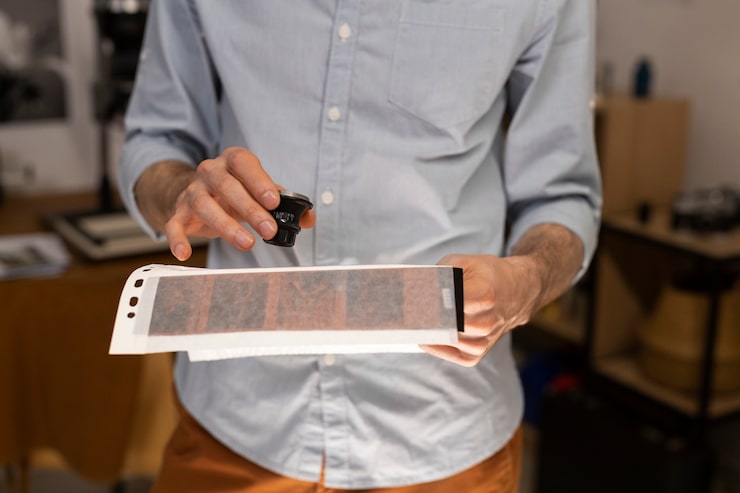
Build a simple “buy list”
A buy list is your personal sourcing guide. It keeps you focused and prevents impulse buys.
Your list can include brands you trust, the sizes you want to focus on, your maximum buy price per item, and a few “automatic no” rules that protect your time. The point is to decide your standards before you walk into the store, not while you’re holding something tempting.
Example: picking a practical niche
A beginner chooses men’s workwear and denim because it’s common in thrift stores, durable, and generally easier to photograph. They write a short buy list with a few dependable brands, common sizes, and a strict maximum cost per item. If something is priced too high, they skip it—even if it looks good—because the rule protects their margins.
Sourcing Rules: How to Buy Without Regret

Where beginners often source in the U.S.
Many beginners start in places where inventory changes often and prices can be low. Thrift stores are a classic starting point because you can learn quickly by inspecting condition in person. Yard and garage sales can offer strong deals, especially later in the day when sellers want items gone. Facebook Marketplace can work for local pickups, but it requires more caution with safety and scams. Clearance racks can work when discounts are deep and demand is still real.
You don’t need to do all of these at once. Pick one or two sourcing channels and get good at them.
The “condition first” rule
Condition matters more than brand in many beginner flips. Check for stains, holes, odors, missing buttons, broken zippers, stretched collars, and heavy wear. For shoes, check soles, cracking, peeling, and interior wear. For bags, check straps, corners, and zippers.
If you can’t describe the condition honestly in one or two sentences, it’s usually a sign to pass.
Authenticity and safety basics
Be cautious with “too good to be true” designer finds. Counterfeits exist, and beginners are often the easiest targets.
If you’re not experienced with authentication, don’t build your early business around luxury items. You can still do well with everyday brands and practical categories while you learn.
Set a max buy price before you shop
Decide your maximum buy price in advance. This one habit prevents most beginner regret.
If your max for denim is $12 and you see a pair for $18, you skip it. You’re not judging the item—you’re protecting the system that keeps your reselling sustainable.
Use sold comps the smart way
Comps are comparable sales. The comps that matter are sold listings, not asking prices.
When you check sold comps, match condition and details as closely as you can. “New with tags” sells differently than used. Free shipping changes what the seller kept compared to charging shipping separately. Comps guide your decision, but they don’t remove risk.
Example: when comps look good but the math doesn’t
A beginner finds a jacket for $14.99. Sold comps show similar jackets selling for $35–$45, but shipping will likely take a meaningful chunk. They decide it’s only worth buying if the condition is excellent and they can list at the higher end. If there’s a stain or a broken zipper, they skip it because the margin disappears.
Platform Choices: Where to Sell First (Pick One)
Common marketplace options (high-level)
You have several popular U.S. platforms. eBay is flexible across many categories, but it can feel more complex at first and buyer expectations can be strict. Poshmark is strong for apparel and accessories with a streamlined listing flow, but fees and pricing dynamics can be less friendly for very low-priced items. Mercari can work across categories and feels simple, but competition and demand vary. Facebook Marketplace can be great for local bulky items, but it often comes with more no-shows and negotiation.
There isn’t one “best” platform for everyone. The best starter platform is the one that fits what you sell and feels manageable.
Let your inventory choose your platform
If you’re focused on clothing, a clothing-friendly platform may be simpler. If you sell mixed categories, a broad platform can be easier. If you’re dealing with bulky items, local sales can save you from shipping headaches.
Beginner setup checklist
Before you list, do the basics. Set up your profile, confirm your payout method, and learn the shipping settings so you don’t accidentally undercharge shipping. Read the return options and choose what matches your comfort level.
Also decide how you’ll organize inventory at home. Even a simple bin system prevents lost items and late shipments.
Start with one platform for 30 days
One of the fastest ways to get overwhelmed is listing across multiple platforms before you understand any of them.
Pick one platform and learn it for 30 days. You’ll get better at pricing, shipping labels, customer questions, and what buyers on that platform expect. Once it feels stable, you can expand carefully.
Pricing That Actually Works (Fees + Shipping + Returns Included)
Price using a simple habit
Pricing is where beginners either protect themselves or get burned. A helpful habit is estimating your net profit before you buy and again before you list.
You don’t need perfect math. You need realistic estimates and a buffer so small surprises don’t wipe out your margin.
Use sold comps as a range, not a fantasy
If sold comps are mostly between $30 and $40, listing at $55 usually won’t work unless your item is clearly better condition or more desirable.
Also note whether sold listings offered free shipping or charged shipping. That changes what the seller kept.
Build wiggle room for offers
If you plan to accept offers, price with a little wiggle room so you can accept a fair offer without regretting the sale.
A simple approach is deciding your lowest acceptable price before you list. That helps you respond calmly instead of negotiating emotionally.
When pricing lower makes sense
Pricing lower can be smart when you want faster cash flow, when competition is heavy, or when a seasonal item is losing demand.
For example, heavier winter items may move slower once spring starts. If something is likely to sit, pricing to move can be the healthier decision.
Use small, consistent adjustments
If a listing gets little attention after 7–10 days, treat it as a signal. Refresh photos, tighten the title, clarify the description, and consider a small price adjustment.
Sometimes the issue isn’t price. It’s that the listing doesn’t clearly show what the buyer is getting.
Example: pricing with offers in mind
A reseller buys boots for $12. They estimate fees, shipping, and supplies, then set a list price that leaves room for offers while still protecting the margin. They turn offers on and already know the lowest price they’ll accept, so negotiations stay simple.
Listing Basics: Photos and Descriptions That Prevent Returns

Photo basics that reduce disputes
Photos are your first line of defense against returns. Use natural light when possible. Take a clear front and back photo, show side angles, and include close-ups of labels and wear points. For shoes, always show soles. For clothing, a clean flat-lay photo can make condition and shape easier to see.
If there’s a flaw, photograph it clearly. That honesty usually builds trust and prevents disputes.
Measurements also help. A quick photo of a measuring tape next to the item can reduce “it doesn’t fit” issues later.
Description basics that stay honest and clear
Descriptions don’t need to be long. They need to be accurate.
Include brand, size, key material details when relevant, and a straightforward condition note. Mention flaws plainly. Add measurements, especially for clothing, because sizing varies by brand and era.
Also state your handling time so buyers know what to expect. Clear expectations reduce impatient messages.
A simple return-prevention line
A calm reminder can prevent problems, especially for clothing.
Something like “Please review measurements—fit can vary by brand and preference” encourages buyers to check details before purchasing.
Avoid misleading words
Don’t call something “new” unless it’s truly new. If it’s used, say that. If it’s “like new,” explain why. If it has wear, describe it and show it.
Reselling works best when buyers feel your listings match reality.
A clean title formula
Keep titles simple and searchable: Brand + item type + key feature + size (when relevant). Buyers often search by brand and item type first, so lead with those.
Shipping Basics (Keep It Simple and Safe)
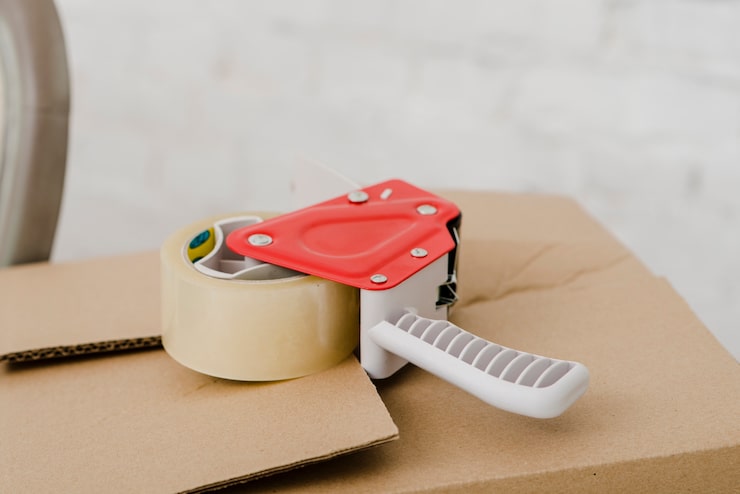
Supplies beginners actually need
You don’t need a warehouse setup. A practical starter kit includes poly mailers for clothing, a few boxes for shoes or fragile items, strong tape, and labels. A small scale is helpful because accurate weight prevents shipping surprises.
A label printer is optional. Many beginners print labels on regular paper and tape them neatly.
Packing rules that prevent damage
Pack like you’re the buyer. Keep items clean and protected. Bag shoes so they don’t scuff. Protect corners and fragile edges. If something could break, use padding and a box with space around the item.
Damage in transit often becomes your problem, so careful packing protects your margin.
Choosing shipping the beginner-friendly way
Weigh and measure accurately. Small differences can change shipping costs.
Many platforms offer shipping labels, which can reduce guesswork. Buying your own labels can sometimes save money but adds complexity. For beginners, “simple and consistent” usually wins.
Handling shipping issues without panic
Packages can be delayed, lost, or damaged. Documentation helps.
Take a quick photo of the packed item before shipping. Save drop-off receipts when possible. Upload tracking quickly so buyers feel informed. If something goes wrong, stick to facts and follow the platform’s process.
Build a routine you can maintain
Some resellers ship daily. Others ship twice a week. Choose what fits your schedule and communicate it in your listings so buyers have realistic expectations.
Batching shipping tasks—printing labels together and packing in one session—can make reselling feel much easier.
Returns, Refunds, and Not Getting Burned

Common return reasons
Returns usually happen for predictable reasons: fit issues, undisclosed flaws, or damage during shipping.
You can’t eliminate returns entirely, but you can reduce them by being thorough upfront. Most return problems start with unclear listings and weak photos.
How to reduce returns
Measurements help. Clear flaw photos help. Honest condition notes help. Careful packing helps.
When your listing answers buyer questions before they ask, buyers are less likely to feel surprised. Less surprise means fewer disputes.
Handle returns professionally
If a return request comes in, keep your tone calm and professional. Don’t argue emotionally. Stick to facts and use the platform’s return process. Keep communication on-platform.
A steady, professional approach protects your time and usually leads to better outcomes.
Fraud prevention basics
Most buyers are normal people. Still, basic protection is smart.
Photograph condition before shipping. Keep communication on-platform. For items where it matters, record identifying details (like model numbers) so you can confirm you’re receiving the same item back.
A simple tax note
If you resell regularly, keep basic records of what you paid, what you sold for, and what you spent on shipping and supplies. If you’re unsure how to track it cleanly for your situation, consider speaking with a tax professional so you can set up a simple system early.
Quick checklist
Choose one niche you can recognize quickly and ship safely. This keeps your learning clear and prevents expensive trial-and-error across random categories.
Set a maximum buy price before you shop, then stick to it. That one rule protects your margins and stops impulse purchases that feel exciting but don’t work on paper.
Pick one selling platform for your first 30 days. A focused approach reduces mistakes with pricing, shipping settings, and buyer expectations.
Price based on real costs, not just the sale price. Fees, shipping, supplies, and occasional returns are part of reselling, so build in a buffer.
Create listings that prevent returns. Use clear photos, show flaws honestly, include measurements, and keep descriptions short but accurate.
Build a shipping routine you can stick with. Consistency reduces stress and helps buyers trust your listings.
FAQ
What is the best reselling platform for beginners in the U.S.?
It depends on what you sell. eBay is flexible across categories, Poshmark is strong for apparel, Mercari can work for many items, and Facebook Marketplace is useful for local bulky sales. A good beginner move is choosing one platform for 30 days so you learn how it works without spreading yourself thin.
How much money do I need to start reselling?
You can start with a small sourcing budget. Many beginners reinvest as items sell. The key isn’t starting big—it’s buying carefully, pricing correctly, and avoiding inventory that sits for months.
What are the best thrift store items to resell as a beginner?
Beginner-friendly items are usually easy to inspect, easy to photograph, and easy to ship: basic clothing categories, certain shoes in good condition, books, and small durable home goods. Avoid fragile items, high-fraud electronics, and anything missing parts until you have more experience.
How do I price items so I still make money after fees and shipping?
Work backward from the expected sale price. Estimate platform fees, shipping, and supplies, then subtract what you paid. If the margin feels too tight, skip the item or only buy it at a lower price.
How do I ship items cheaply and safely?
Use the right packaging, weigh and measure accurately, and choose a consistent method you understand. Many beginners start with platform shipping labels for simplicity. Careful packing and accurate weights help prevent damage and unexpected shipping charges.
What should I do if a buyer wants a return?
Stay calm and use the platform’s process. Keep messages factual and on-platform. Returns are part of reselling, and professional handling usually saves time and reduces escalation.
How can I avoid scams or fraudulent returns?
Keep communication on-platform, photograph condition before shipping, document identifying details when relevant, and pack carefully. Most buyers are honest, but basic documentation helps if you need to dispute a claim.
How long does it take to get consistent results with reselling?
It varies. Many beginners spend the first month learning what sells, improving listings, and building a sourcing routine. Consistency usually comes from repeatable sourcing and honest listings, not from one lucky find.
Conclusion
Reselling for beginners works best when you treat it like a simple system: choose a niche you can understand quickly, source carefully, price with real costs in mind, and list honestly with photos and measurements that prevent disputes.
Start small, focus on one platform, and build routines you can repeat each week. Over time, those routines—more than any “hot item”—are what make reselling steadier and less stressful.